







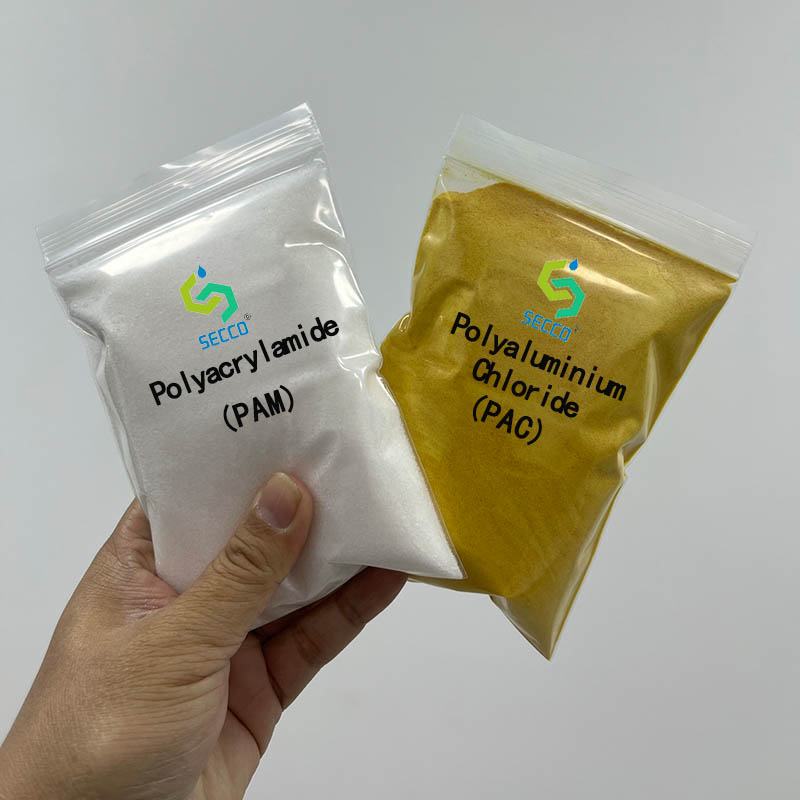
Luɔi polyaluminium chloride (PAC)
Lɔ̈k dɔ̈ɔ̈r: Fɔɔl, a wïc ba dɔ̈ɔ̈r de dɔ̈ɔ̈r de dɔ̈ɔ̈r de dɔ̈ɔ̈r de dɔ̈ɔ̈r de dɔ̈ɔ̈r de dɔ̈ɔ Në ye mɛn, PAC ye tɔ̈ɔ̈u thïn ee tɔ̈ɔ̈u thïn ye tɔ̈ɔ̈u thïn ye tɔ̈ɔ̈u thïn ye tɔ̈ɔ̈u thïn ye tɔ̈ɔ̈u thïn ye tɔ̈
2. Lɔ̈ɔ̈i de kä ye kek looi: Lɔ̈ɔ̈i de kä ye kek looi ye kek looi ye kek looi ye kek looi ye kek looi ye kek looi ye kek looi ye kek looi ye kek looi ye kek looi ye kek looi Lɩzɩ nɛy tɛ̈n tɛ̈n tɛ̈n tɛ̈n tɛ̈n tɛ̈n tɛ̈n tɛ̈n tɛ̈n
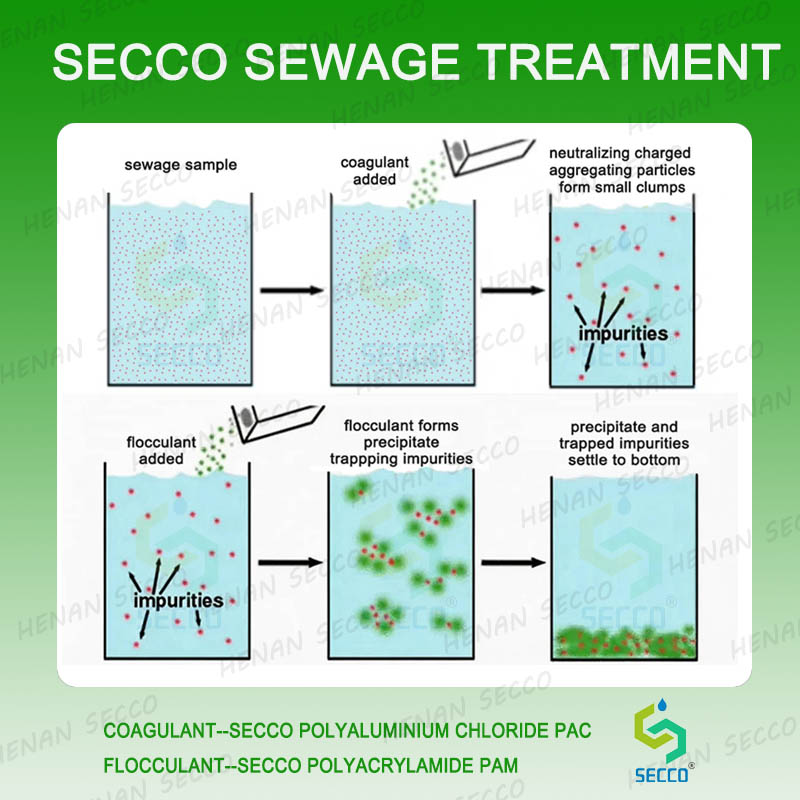
3. Add PAC solution: Put the prepared PAC solution into the wastewater and stir it quickly at the same time. Add the PAC solution: Put the prepared PAC solution into the wastewater and stir it quickly at the same time. Put the prepared PAC solution into the wastewater and stir it quickly at the same time. Kɔnɔ bï PAC ya cɔk tɛ̈n ye tɛ̈n ye tɛ̈n ye tɛ̈n ye tɛ̈n ye tɛ̈n ye tɛ̈n ye tɛ̈n ye tɛ̈n ye tɛ̈n
4. Lɔ̈ɔ̈ŋ la Lɔ̈ɔ̈ŋ: Pɛ̈i cï PAC tɔ̈ɔ̈u, tɛ̈ɛ̈r lɔ̈ɔ̈ŋ kɔnɔ kaam (tɛ̈ɛ̈r lɔnadɛ̈ minit juëc) ago kemikal dɔ̈ɔ̈
Polyacrylamide (PAM) luɔɔi
1. Tɛ̈n ye PAM looi: Tɛ̈n ye PAM looi, tɛ̈n ye PAM looi, tɛ̈n ye PAM looi, tɛ̈n ye PAM looi, tɛ̈n ye PAM looi, tɛ̈n ye PAM looi Në ye mɛn, ka cɔl a PAM ye cɔl cationic.
2. PAM ye cɔk tɔ̈ɔ̈u: Luɔ̈ɔ̈i de PAM ye cɔk tɔ̈ɔ̈u ye cɔk tɔ̈ɔ̈u ye cɔk tɔ̈ɔ̈u ye cɔk tɔ̈ɔ̈u ye cɔk tɔ̈ Në ye mɛn, ka wïc bï ya tɔ̈ɔ̈u në tɛ̈n yenë yen tɔ̈ɔ̈u në tɛ̈n yenë yen tɔ̈ɔ̈u në tɛ̈n yenë yen tɔ̈ɔ̈ Lɔ̈k ba kë ye cɔl PAM ye cɔl PAM ye cɔl PAM ye cɔl PAM ye cɔl PAM ye cɔl PAM ye cɔl PAM ye cɔl PAM ye cɔl PAM ye cɔl PAM.
3. Add PAM solution: After the wastewater has undergone PAC treatment and undergone initial sedimentation, add the PAM solution slowly and gently stir it. This helps combine small particles into larger flocculent masses, facilitating sedimentation. 3. Add PAM solution: After the wastewater has undergone PAC treatment and undergone initial sedimentation, add the PAM solution slowly and gently stir it. This helps combine small particles into larger flocculen
4. Sedimentation and Separation: After adding PAM, let the mixed liquid stand for a period of time so that the larger flocks formed can settle to the bottom. 4. Sedimentation and Separation: After adding PAM, let the mixed liquid stand for a period of time so that the larger flocks formed can settle to the bottom. Në ye mɛn, ke kä ye kek tɔ̈ɔ̈u thïn alëu bïk ya nyaai në filtration, air flotation, ka tɛ̈n kɔ̈k ye kek tɔ̈ɔ̈u thïn.
Notes for Attention
Tɛ̈n yenë yen luui thïn, a dhil tɔ̈ɔ̈u tɔ̈ɔ̈u tɔ̈ɔ̈u tɔ̈ɔ̈u tɔ̈ɔ̈u tɔ̈ɔ̈u tɔ̈ɔ̈u tɔ̈ɔ̈u tɔ̈ɔ̈
Lɔ̈ɔ̈i de luɔɔi adhil bï looi në tɛ̈n yenë kɔc cï puɔ̈l puɔ̈l puɔ̈l puɔ̈l puɔ̈l puɔ̈l puɔ̈l puɔ̈l
A wïc ba pH tɛ̈n tɛ̈n tɛ̈n tɛ̈n tɛ̈n tɛ̈n tɛ̈n tɛ̈n tɛ̈n tɛ̈n tɛ̈n tɛ̈n tɛ̈n tɛ
Kä cï gɔ̈t nhial ee lööŋ de luɔɔi. Tɛ̈n yenë yen luɔ̈ɔ̈i thïn, a dhil bɛ̈n ya tɛ̈n yenë yen luɔ̈ɔ̈i thïn. Aŋuɛ̈ɛ̈r bï kɔc cï puɔ̈c ya cɔk tɔ̈ɔ̈u në luɔɔi de kä ye kek looi yiic ya looi.
Ba wël wɛ̈t kɔ̈k yök në flocculation ku sedimentation, yï lɔn ba ɣo thiëëc nëHenan Secco ye!
Na yïn wïc ba kä ye kek looi ya tɔ̈ɔ̈u, ka yïn naŋ thiëëc kɔ̈k, ke yï lɛ̈k form tɔ̈u piny. Ɣok abï yïn thiëëc tɛ̈n yenë yïn yök.

Tel:+86 18703633076
Email: secco@hnsecco.com
WhatsApp:8618703633076
 Polish
 Russian
 French
 UAE
UAE farsi
farsi belarusian
 Danish
 German
 Filipino
 Finnish
 Sanskrit
 Korean
 Dutch
Dutch Haitian
 Kyrgyz
 galician
 Czech
Czech Latin
Latin Lao
Lao Romanian
 Lingala
 Luganda
 Luganda
 Kinyarwanda
 Lithuanian
 Malay
Malay Bur
Bur Marathi
 Macedonian
 Bengali
 Norwegian
 Nepali
 Portuguese
 Japanese
 Swedish
 Serbian
 Slovak
 Slovenian
 Somali
 Thai
Thai Shierqi
 Ukrainian
 Welsh
Welsh Greek
Greek Hungarian
 Hawaiian
 Hindi
Hindi Indonesian
 Italian
 Vietnamese